
Trump Admin Revives Policy to Deny Green Cards for Immigrants Using Public Benefits
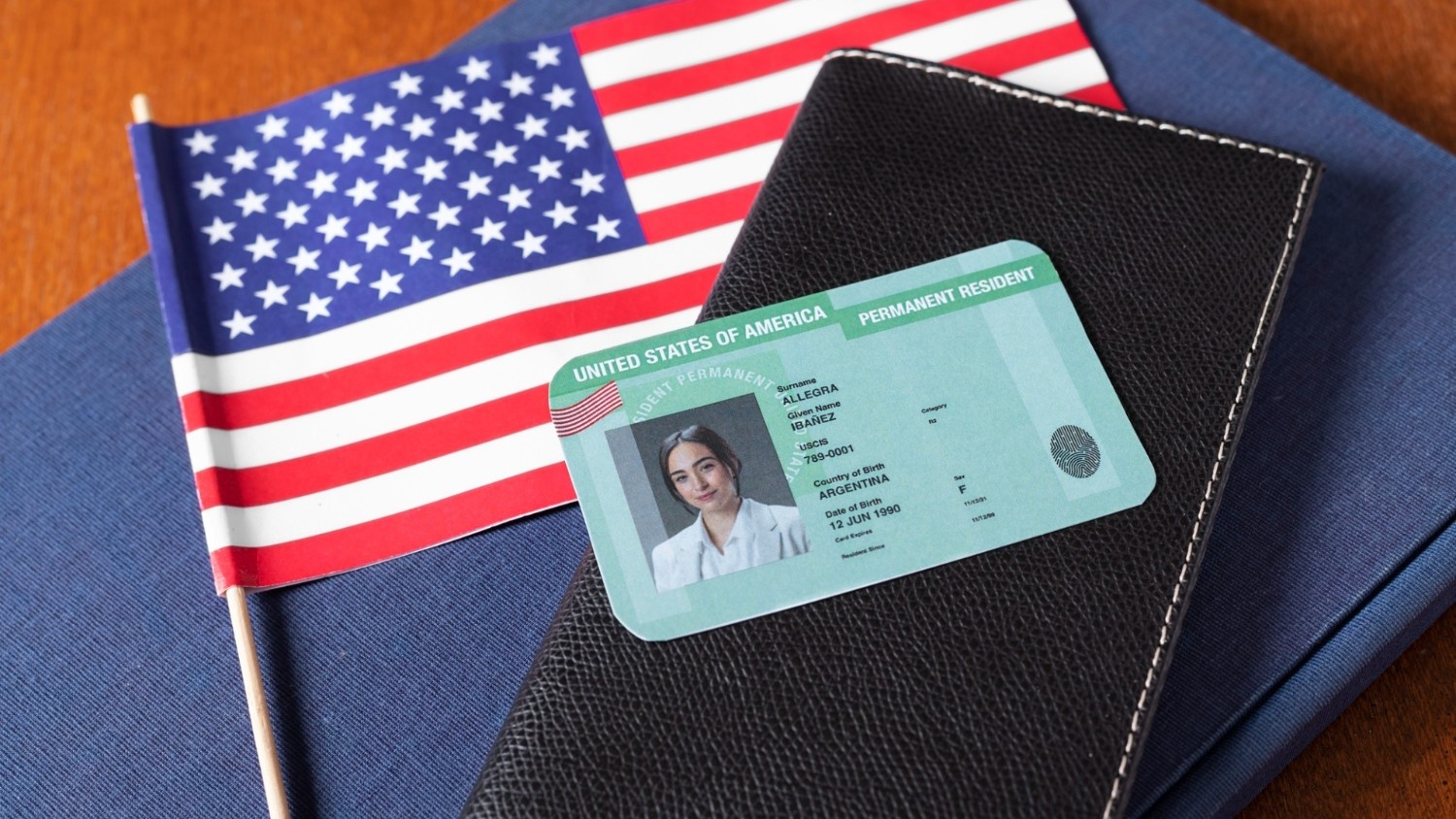
A federal immigration rule commonly referred to as the “public charge” policy is being revived by the Trump administration, bringing back a framework that can affect whether certain applicants are approved for lawful permanent residence, meaning a green card. The rule appeared in the Federal Register and is expected to be formally published on July 20, with an effective date of September 18.
While “public charge” has existed in U.S. immigration law for a long time, this revived version is associated with the expanded approach implemented in February 2020 during President Donald Trump’s first administration, later reversed after President Joe Biden took office. The revival arrives during a broader push to tighten both unlawful and lawful immigration pathways, and at a time when the cost of healthcare, housing, and food remains high.
What “public charge” means in U.S. immigration law
U.S. immigration law has long required many applicants seeking admission or adjustment of status to show they are not likely to become a “public charge.” Traditionally, the idea centers on whether a person is likely to become primarily dependent on the government for long term support.
The revived rule is designed to broaden how the government evaluates that risk. U.S. Citizenship and Immigration Services, or USCIS, framed the change as reinforcing “self-reliance,” protecting public resources, and ending policies that encouraged dependency.
The practical question for many families is simple but stressful. Could using a benefit that is legally available affect a green card case. The answer depends on the individual’s situation, the benefit involved, and how the government applies the new standard.
Key dates and what happens next
Based on the Federal Register notice described in reporting, the timeline is:
- July 20: formal publication date
- September 18: effective date
Cases filed before the effective date may be treated differently than cases filed after, depending on implementation details and agency guidance. In past policy shifts, “transition” issues have created real confusion, including which forms or evidentiary standards apply, and how interviews are conducted.
What is different about this revived rule
The revived approach emphasizes discretion and individualized decisions. Instead of listing specific benefits in the regulatory text, the rule states that immigration officers will make:
- “individualized, fact-specific” determinations
- based on the “totality of the alien’s circumstances”
- using judgment and discretion to assess the likelihood of becoming a public charge “at any time”
That structure matters because it can make outcomes less predictable. Two cases with similar facts can sometimes be evaluated differently depending on how evidence is presented, how the record is documented, and how an officer weighs the various factors.
This is also why preparation tends to become more important under a discretionary framework. Not because approval becomes impossible, but because the government is explicitly saying it will look at the whole picture and make a call.
Which public benefits are at issue
News coverage around this policy has often referenced benefits such as:
- food assistance programs, including SNAP
- Medicaid
- housing vouchers and other housing assistance programs
The revived rule described in reporting does not name programs in the text itself, but the policy discussion and prior versions have been closely tied to those categories.
Also important, and often missed in casual conversations, is that eligibility for many public benefits depends on immigration status in the first place. Many noncitizens do not qualify for federal benefits. And many U.S. citizen children in mixed status families do qualify, even when parents are noncitizens.
That overlap is one reason public charge rules can create anxiety far beyond the group of applicants the government ultimately finds inadmissible.
Who could be impacted
Public charge typically comes up in cases involving:
- adjustment of status to permanent residence
- certain immigrant visa applications processed through consulates
- applicants who must show they are not likely to become primarily dependent on the government
Some immigrants are exempt from public charge rules due to the nature of the immigration category, humanitarian protections, or other statutory carve-outs. The exact scope can depend on the application type, the benefit sought, and the person’s immigration history.
This is where legal screening becomes crucial. Two people can hear the same headline and assume they are equally affected, but one may be subject to public charge and the other may be exempt.
How decisions are made: “totality of circumstances”
The revived rule points to a “totality” test. In practice, that usually means immigration officers can look at factors such as:
- age
- health and medical needs
- household size
- income, assets, and financial resources
- education and skills
- employment history and employability
- affidavits of support and sponsor information, when required
Even without a strict checklist, these types of factors tend to form the backbone of the analysis because they are directly tied to whether someone is likely to need long term government support.
This is also why cases often become document-heavy. A strong record can include proof of steady work, insurance coverage where applicable, tax filing history, family support structure, and credible plans for financial stability.
Why critics say the policy has a “chilling effect”
Even when only a small number of cases are ultimately denied on public charge grounds, the policy can have a much larger effect because people may avoid benefits out of fear.
Public health and immigrant advocacy groups have repeatedly warned that revived public charge enforcement could deter families from using healthcare, nutrition, or housing assistance, including benefits used by eligible children.
One estimate cited in reporting from Manatt Health suggested the earlier policy could have deterred up to 26 million people from seeking assistance through programs for which they were qualified under federal law, with about half of those impacted being U.S. citizens, often children in mixed status households.
A 2020 Migration Policy Institute analysis suggested the chilling effects could be vast while the number of immigrants actually deemed ineligible for a green card based on listed benefits might be relatively small. MPI estimated no more than 167,000 people, under 1% of the noncitizen population at the time, could be determined ineligible based on then-current use of a listed benefit.
Those two ideas can both be true at the same time. Denial numbers can be limited, yet fear and confusion can spread quickly, especially when guidance is unclear or changes frequently.
What families should watch for in real life situations
When public charge rules shift, the most common issues that show up are not dramatic courtroom moments. It is more everyday than that. Confusion at a medical provider’s office. Uncertainty during benefits renewals. Fear of filling out forms incorrectly. Second guessing whether a U.S. citizen child should receive benefits they are legally entitled to.
And then, later, that uncertainty spills into the immigration process. Missing documents. Inconsistent answers. A case record that does not clearly explain what benefits were received, by whom, and under what eligibility basis.
Public charge evaluations can become as much about documentation and clarity as about the underlying facts.
How an immigration law firm can help
A public charge based policy is one of those areas where a general online summary is rarely enough. Because the rule itself is broad, and because outcomes can turn on details.
An immigration law firm can assist by:
- determining whether public charge applies to a specific case type or category
- screening for exemptions and special rules that may remove the issue entirely
- reviewing benefits history and household circumstances for risk points
- building a clear evidence record that supports self-sufficiency and eligibility compliance
- preparing applicants for interviews and requests for evidence, including how to explain facts consistently and accurately
The goal is not to create fear or to discourage lawful use of benefits. It is to understand how the government is applying the rule, and to prepare filings so they are as strong, organized, and factually clear as possible.
Bottom line
The revived Trump administration public charge policy is expected to take effect on September 18, and it expands how immigration officers may evaluate whether a green card applicant is likely to become a public charge. The rule emphasizes individualized determinations and officer discretion, which can make preparation and case strategy more important.
For immigrants and mixed status families, the biggest immediate impact may be uncertainty, including uncertainty about what counts, who is covered, and what documentation is needed. As with many immigration policy changes, careful legal review and properly prepared filings can make the difference between a smooth process and months of delay, confusion, or denials.