
National Interest Waiver (NIW) Might Be Your Best Path to a Green Card Without a Job Offer
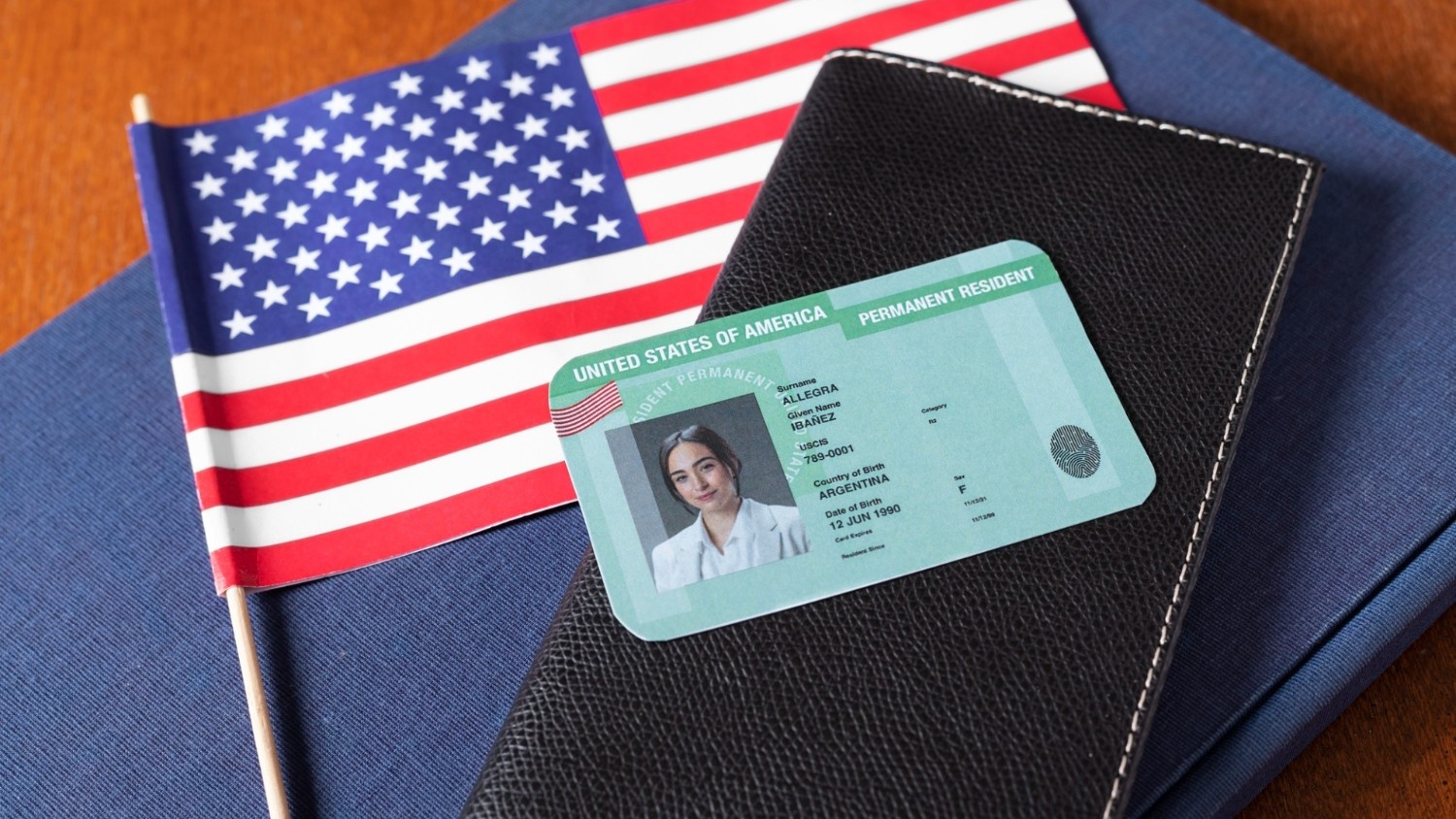
A National Interest Waiver (NIW) is part of the EB-2 employment-based immigrant visa category. What makes it special? It waives two key requirements of the typical EB-2 process: the labor certification process (called PERM) and needing a job offer. This means you can apply for permanent residence on your own, based on a project or work that benefits the United States, without relying on an employer.
NIW is popular among professionals in research, engineering, healthcare, entrepreneurship, education, and other specialized fields who can show their work has national importance. It’s also helpful if you want more control over your green card application or if employer sponsorship isn’t an option.
Where NIW Fits in U.S. Immigration Law
EB-2 Basics
NIW isn’t its own visa but a special request within the EB-2 category. To qualify for EB-2 you need:
- An advanced degree (like a U.S. master’s or higher) or its foreign equivalent
- Or a bachelor’s degree plus at least five years of progressive work experience in your field
- Or exceptional ability in sciences, arts, or business (a separate track)
Without meeting these basic EB-2 requirements first, USCIS won’t consider the NIW request.
Standard EB-2 vs. EB-2 NIW
Normally, EB-2 requires:
- PERM labor certification — proving no qualified U.S. workers are available
- A permanent full-time job offer from a U.S employer
- Employer filing Form I-140 petition for you
With NIW, you can skip both PERM and the job offer requirement. This lets you file on your own behalf.
How NIW Compares to EB-1A and EB-1B
The EB-1 category is often compared with NIW:
- EB-1A (extraordinary ability) demands proof of sustained national or international acclaim and has stricter evidence standards but also allows self-petitioning without PERM.
- EB-1B (outstanding professor/researcher) requires employer sponsorship and specific proof tied to your academic or research role.
NIW fits well if you’re strong professionally but don’t meet the very high bar of EB-1A or need flexibility beyond employer sponsorship like EB-1B.
The Filing Process & Visa Bulletin
Most NIW cases have two main stages:
- Filing Form I-140 with an NIW request plus evidence
- Applying for your green card either through Adjustment of Status if you’re in the U.S., or Consular Processing abroad
Even after approval of your I-140 petition, you must wait for your priority date to become current according to the Department of State’s Visa Bulletin before receiving your green card.
Why NIW Can Be Ideal Without Employer Sponsorship
You Control Your Case
You don’t need an employer to sponsor you or control the timing and details of your application.
No PERM Hassles
PERM involves complex recruitment steps and strict rules that can delay or derail applications. NIW skips this entirely.
Greater Career Flexibility
Your green card is tied to your proposed endeavor rather than one specific job or employer — so switching employers or roles is usually okay as long as it fits your original plan.
Great for Entrepreneurs & Independent Professionals
If you’re self-employed, consulting independently, running multiple clinical sites, or working on grant-funded projects where employer sponsorship isn’t stable or practical, NIW provides a solid route.
Process and Timeline: From I-140 to Green Card
Step 1: File Form I-140 with Your NIW Request
You’ll submit:
- Proof that you meet EB-2 qualifications (degrees, transcripts, work experience letters)
- A detailed petition letter explaining your endeavor and why it benefits U.S. interests
- Supporting documents like publications, patents, citations showing impact beyond just your immediate workplace
Premium processing may be available depending on USCIS policies.
Step 2: Adjustment of Status or Consular Processing
Once your priority date is current:
- If inside the U.S., file Form I-485 to adjust status to permanent resident.
- If outside the U.S., complete Consular Processing at a U.S embassy or consulate.
Step 3: Approval & Maintaining Residency
After approval:
- Maintain permanent residence by following travel rules.
- Plan reentry carefully if living abroad when approved.
Travel & Status Tips While Your Case Is Pending
If you’re applying from within the U.S.:
- Understand “dual intent” rules that allow filing adjustment applications while on nonimmigrant status.
- Use Advance Parole documents if needed for travel during pending I-485 applications.
If applying from abroad:
- Prepare for immigrant visa interview timing.
- Ensure consistency between documents presented at port of entry.
Common Pitfalls That Cause Delays or Denials (and How to Avoid Them)
Watch out for:
- Vague descriptions of what exactly your endeavor involves
- Focusing only on personal competence instead of showing national importance
- Overemphasizing publications without explaining their real-world impact
- Conflicting information across resumes, letters, and exhibits
- Missing proof that you meet basic EB-2 criteria (degrees/experience)
Careful organization and clear evidence aligned with USCIS expectations reduce risk of Requests for Evidence (RFEs).
How Does NIW Compare to Other Green Card Routes Without Job Offers?
| Route | Key Features | When It Might Be Right |
|---|---|---|
| EB-1A | Higher standard; requires extraordinary ability | You have national/international acclaim |
| O–1 Visa | Nonimmigrant; temporary work authorization | Need quick entry but not green card yet |
| EB–5 | Investment-based; requires capital & job creation | You have funds and want investment route |
| Family-Based / DV Lottery | Based on family ties or chance | Eligible through family or lucky selection |
NIW is best when you want a merit-based path grounded in credentials and impactful work without relying on family sponsorship or investment funds.
Conclusion: When NIW Is a Smart Choice for Permanent Residence
NIW offers professionals an independent path to U.S. permanent residence without needing an employer sponsor or PERM certification. It rewards those who can clearly define their work’s value to the nation with greater control over their immigration journey.
Success depends on carefully preparing evidence under legal standards like those set by Dhanasar—a well-organized case with clear links between qualifications and national interest goals can smooth approvals.
Whether as a primary strategy or backup plan alongside employer sponsorship options, NIW can provide flexibility especially when traditional routes feel limiting.