
U.S. Immigration Update: Green Card Lottery Suspended and Travel Restrictions expanded
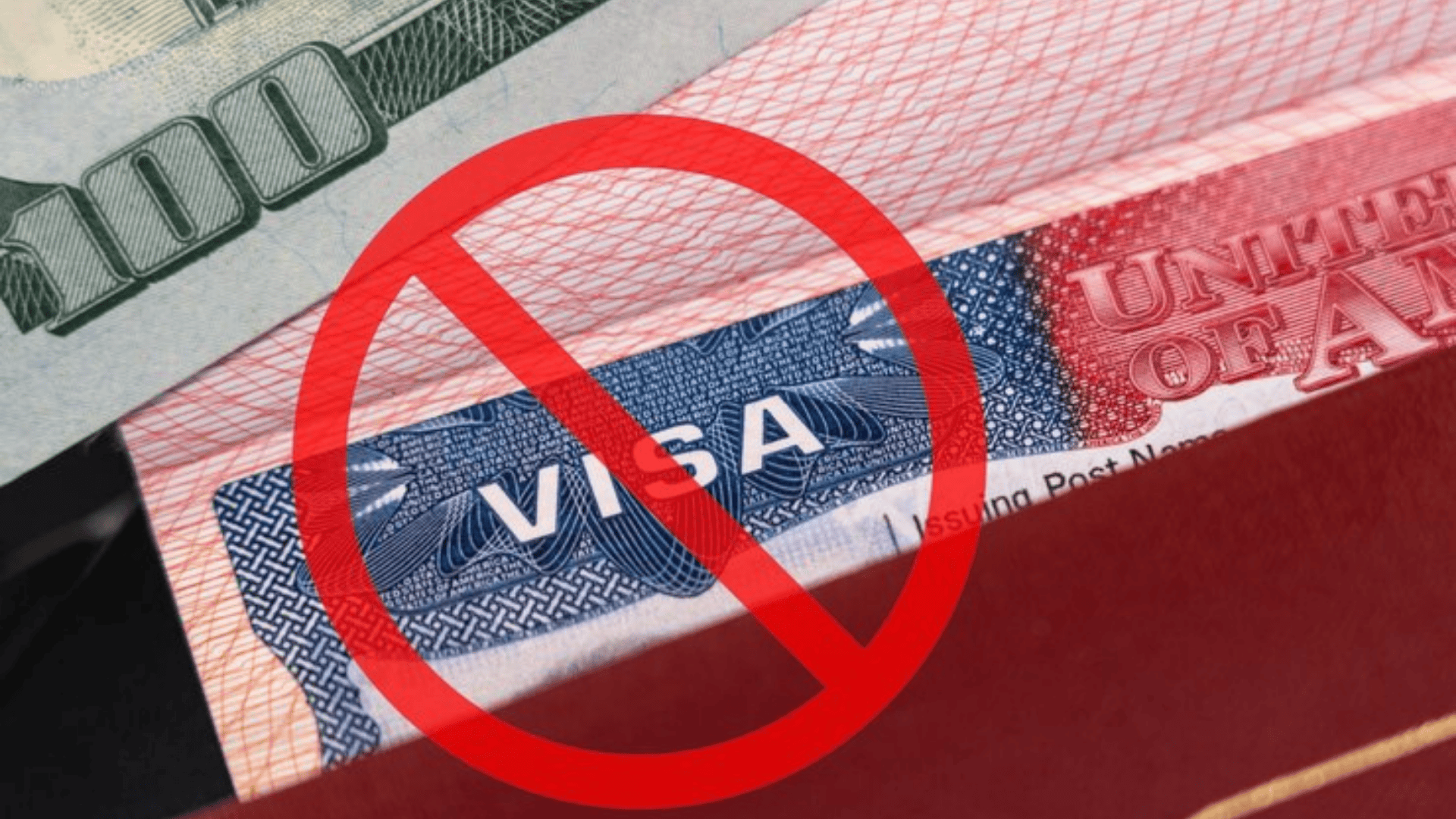
The U.S. immigration system is changing significantly due to two recent developments: the suspension of the Diversity Immigrant Visa (DV) Program and the introduction of expanded travel restrictions affecting around 39 countries. These changes reflect a major shift in how America handles legal immigration, primarily motivated by increased national security concerns after violent incidents involving individuals admitted through the DV Program.
Who is affected by these changes?
These developments impact several key groups:
- Approximately 131,000 selected DV lottery winners and their family members facing indefinite processing delays
- Legal practitioners navigating complex procedural holds and enhanced vetting requirements
- Nationals from countries subject to new or intensified travel restrictions
- Policymakers evaluating the balance between immigration opportunities and security protocols
These measures are part of a larger strategy to enforce immigration laws, which includes stricter screening processes, individual reviews of pending applications, and more rigorous vetting standards. It’s crucial for anyone involved with the U.S. immigration system to understand the extent and consequences of these changes.
Recent Developments: DV Program Suspension and USCIS Policy Changes
President Trump has suspended the Diversity Immigrant Visa Program in response to security incidents involving individuals admitted through this pathway. The suspension follows mass shootings at Brown University and MIT committed by an individual who entered the United States under the DV Program, prompting immediate administrative action to halt processing of pending applications.
In light of this situation, the U.S. Citizenship and Immigration Services (USCIS) issued a Policy Memorandum titled “Hold and Review of Pending USCIS Adjustment of Status Applications Filed by Aliens Under DV Program.” This directive establishes comprehensive restrictions on DV-related applications:
- USCIS adjustment of status applications hold applies to all pending adjustment of status applications filed by DV Program applicants
- Ancillary benefit applications connected to DV cases face identical processing suspensions
- Waiver applications submitted by DV Program participants remain on hold pending further review
Secretary Noem directed USCIS to pause final adjudication of these applications while the Department of Homeland Security conducts thorough case-by-case reviews for benefit eligibility. This enhanced screening protocol examines each applicant’s background and admissibility factors, resulting in significant delays to adjudication timelines for pending applications. The administration has not specified the duration of this suspension or whether permanent modifications to the Diversity Visa program will follow.
National Security Concerns Driving Immigration Policy Changes
The administration’s decision to suspend the DV Program stems directly from recent violent incidents that raised significant questions about national security concerns immigration policy must address. The mass shootings at Brown University and MIT, perpetrated by an individual admitted through the DV Program, catalyzed immediate policy reassessment. These tragic events exposed critical vulnerabilities in the current screening framework.
Public safety and immigration policy considerations have prompted DHS to identify specific deficiencies in the existing vetting procedures:
- Inadequate background verification processes for applicants from countries with limited information-sharing capabilities
- Insufficient screening protocols to detect potential security threats before visa issuance
- Gaps in post-entry monitoring systems for DV Program beneficiaries
- Limited coordination between international law enforcement databases and U.S. immigration systems
Expanded Travel Restrictions: Affected Countries and Exceptions
The administration has implemented comprehensive travel restrictions affecting approximately 39 countries facing full or partial entry limitations. These measures target nations with identified screening, vetting, and information-sharing deficiencies that pose potential security risks to the United States.
Countries currently subject to restrictions include:
- Full travel bans: Afghanistan, Burma, Chad, Republic of the Congo, Equatorial Guinea, Eritrea, Haiti, Iran, Libya, Somalia, Sudan, and Yemen
- Partial restrictions: Burundi, Cuba, Laos, Sierra Leone, Togo, Turkmenistan, and Venezuela
- Enhanced vetting requirements: Burkina Faso, Mali, Niger, South Sudan, Syria, Angola, Antigua and Barbuda, Benin, Côte d’Ivoire, Dominica, Gabon, Gambia, Malawi, Mauritania, Nigeria, Senegal, Tanzania, Tonga, Zambia, and Zimbabwe
Restrictions extend to individuals holding Palestinian Authority-issued travel documents. Turkmenistan presents a unique case where the nonimmigrant visa ban has been lifted; however entry for Turkmen nationals remains suspended.
These expanded travel bans come with certain exemptions which apply to:
- Lawful permanent residents
- Existing valid visa holders
- Specific visa categories designated for national interest
- Individuals serving U.S. national security objectives
Impact on Applicants: Delays in Immigration Process and Next Steps to Take
The suspension of the Diversity Visa Program creates significant uncertainty for approximately 131,000 selected individuals, including principal applicants, spouses, and children, who were chosen in the 2025 Diversity Visa Lottery cycle. These individuals now face indefinite delays as USCIS conducts case-by-case reviews of pending applications, with no clear timeline for when adjudications will resume.
Adjustment of status applications delay affects applicants at various stages of the immigration process. Those who have already submitted their applications and paid filing fees remain in limbo, unable to complete their green card process. The Policy Memorandum directing holds on pending adjustment of status, ancillary benefits, and waiver applications means that even applicants who have attended biometrics appointments or interviews cannot receive final decisions on their cases.
Impact on DV applicants extends beyond processing delays:
- Employment authorization documents (EADs) and advance parole applications filed in connection with DV-based adjustment applications are similarly paused
- Applicants cannot reliably plan their futures, including employment, housing, or family arrangements
- International travel poses significant risks for those with pending DV-based applications, potentially jeopardizing their cases
Affected applicants should maintain organized documentation of all submitted materials, monitor official USCIS and Department of State communications regularly, and avoid international travel unless absolutely necessary. Legal counsel can provide case-specific guidance on navigating these procedural complexities during the suspension period.
Staying Informed on Policy Updates
To stay informed about official policy announcements, you should regularly check the websites of the Department of State and USCIS. These platforms will provide updates on:
- Revised processing timelines for paused applications
- Modified eligibility requirements or enhanced vetting procedures
- Potential legislative changes that could affect the structure of the DV Program
- Any modifications to country-specific travel restrictions
The Role of Legal Representation
During times when policies are changing, having legal representation can be especially valuable. Immigration attorneys have the expertise to understand complex regulatory changes and assess how they may impact individual cases. They can also advocate for clients who are facing procedural challenges due to the suspension or expanded travel bans.
Conclusion
The current U.S. immigration update summary reflects significant policy shifts affecting thousands of prospective immigrants. The suspension of the Diversity Visa Program and expanded travel restrictions demonstrate how rapidly immigration procedures can change in response to national security considerations.
Given the fluid nature of these policies, affected individuals must remain vigilant in monitoring official communications from USCIS and the Department of State. The U.S. Immigration Update: Diversity Visa Pause and Expanded Travel Restrictions continues to evolve, with no definitive timeline for resolution or permanent policy determinations.