



Becoming a naturalized citizen is a significant milestone for many immigrants. It marks the culmination of a journey toward full integration into American society. It also reflects core immigrant rights recognized through the naturalization process.
Naturalized citizens enjoy the same rights as those born in the U.S., with few exceptions. They can vote, run for office, and apply for federal jobs. These citizenship rights support equal participation in public life.
These rights come with civic responsibilities. Naturalized citizens must obey laws, pay taxes, and serve on juries.
Understanding the Rights and Responsibilities of Naturalized Citizens is crucial for active participation in civic life. It empowers individuals to contribute meaningfully to their communities.
Naturalization offers numerous benefits. These naturalization benefits include security and stability. It opens doors to opportunities in education and employment.
However, naturalized citizens must also be aware of limitations. Certain actions can lead to the loss of citizenship.
This article explores the rights of naturalized citizens and their responsibilities. It aims to inform and guide those navigating this important transition.
By embracing these roles, naturalized citizens enrich the cultural and economic fabric of the nation and enjoy important citizen privileges.
Table of Contents
What Is Naturalization? Understanding the Path to Citizenship
Naturalization is the legal process through which a non-citizen acquires citizenship. It allows immigrants to gain the full rights and responsibilities of U.S. citizens. Through naturalization, immigrants gain citizenship rights equal to those of other Americans, with limited exceptions.
The process requires meeting certain eligibility criteria. Applicants must demonstrate good moral character, knowledge of U.S. history, and the ability to speak English.
To become a naturalized citizen, individuals must:
- Be at least 18 years old.
- Hold a green card for at least five years (three if married to a U.S. citizen).
- Pass the U.S. citizenship test.
- Take the Oath of Allegiance to the United States.

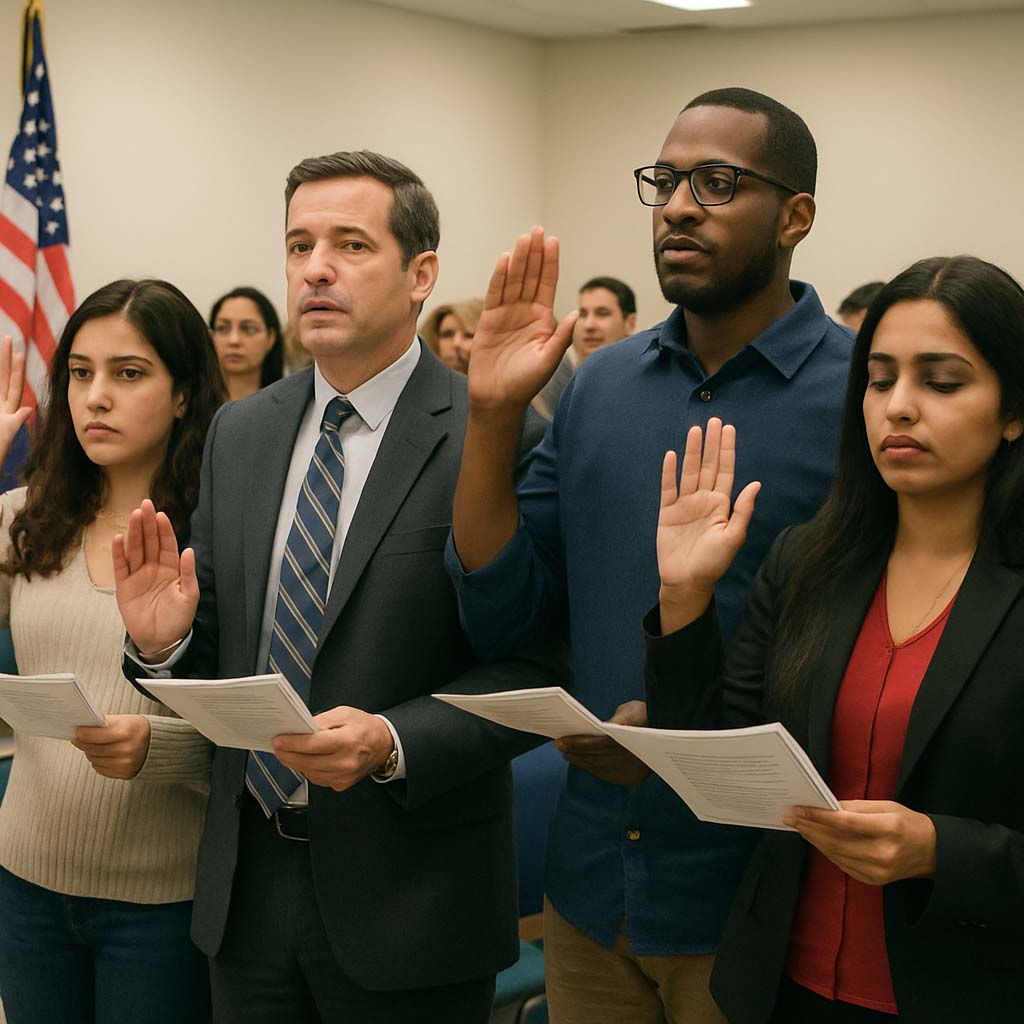
Naturalization is more than a legal change; it signifies a commitment to American values and culture. For many, becoming a U.S. citizen represents new opportunities and the promise of a better future.
While the path to citizenship can be challenging, it is rewarding. Successfully navigating the process empowers individuals to fully participate in and contribute to American society. The benefits of naturalization make the journey well worth the effort, offering stability and a secure environment to thrive.
Key Rights of Naturalized Citizens
Naturalized citizens enjoy various rights that secure their place in American society. These rights include freedoms that are fundamental to the American way of life.
Firstly, they have the right to vote. Participating in elections empowers them to shape their communities and country.
Another key right is the ability to obtain a U.S. passport. This allows for international travel with the protection of the U.S. government.
Naturalized citizens are eligible for federal jobs that require citizenship, increasing their employment opportunities. They can also sponsor family members, reuniting families separated by borders.
Legal protections are robust for naturalized citizens. They are entitled to a fair trial and equal protection under the law. These naturalized citizen rights align with the broader rights of citizens guaranteed by the Constitution.
As U.S. citizens, they can petition the government. This right ensures their voices are heard in political processes.
Key rights include:
- Voting in elections
- Obtaining a U.S. passport
- Access to federal employment
- Sponsoring family members
- Legal protections

In addition to these rights, naturalized citizens have access to public services and benefits. They can receive social benefits like Social Security and Medicare if they qualify. These citizen privileges complement their duties.
Naturalization opens doors to civic engagement and personal growth. The security these rights offer is unmatched, providing a foundation for achieving personal and professional goals.
A common question many ask is, do naturalized citizens have the same rights?
Do Naturalized Citizens Have the Same Rights as Native-Born Citizens?
Yes, naturalized citizens have nearly identical rights to those born in the U.S. The rights of naturalized citizens include voting, receiving public benefits, and enjoying the same legal protections.
There are a few exceptions, such as eligibility for the presidency. Only natural-born citizens can hold this office, highlighting a key distinction.
Despite these exceptions, their rights mirror those of native-born citizens. They uphold the same duties, contributing to the nation’s democratic process.
Naturalized citizens share these rights with native-born Americans:
- Voting
- Access to public benefits
- Legal and civic protections
Their role in the U.S. is vital, underscoring their contribution to the country’s diversity and strength. These rights ensure they participate fully in American life.
Rights Unique to U.S. Citizens
Only U.S. citizens, including naturalized ones, enjoy certain exclusive rights. These privileges deepen their involvement in the nation’s framework. As part of naturalized citizens’ rights, sponsoring family members is crucial. This ability strengthens familial ties and enriches the community.
Federal employment is another exclusive right. Naturalized citizens can access numerous job opportunities reserved for citizens.
Furthermore, only U.S. citizens can obtain an unrestricted U.S. passport. This offers global mobility with protection from U.S. embassies abroad.
Unique rights for U.S. citizens include:
- Sponsoring family members
- Federal employment opportunities
- Unrestricted U.S. passport access
Citizenship provides a security and privilege layer, reinforcing personal and family stability. These benefits highlight the value of achieving U.S. citizenship.
Overall, naturalized citizens enjoy remarkable opportunities and a secure future. Their rights and privileges contribute to their significant role in the nation’s cultural and economic fabric.
Civic Responsibilities of Naturalized Citizens
Naturalized citizens share in the vital tasks that sustain a functioning democracy. Their responsibilities are key to maintaining the nation’s values and systems.
Paying taxes is a primary duty. Contributions support essential services, such as infrastructure, education, and national defense. Taxes are crucial for societal growth and prosperity.
Another responsibility is obeying the law. It ensures order and safety within communities. The legal system relies on citizens to uphold laws and respect others’ rights.
Serving on a jury is another important civic duty. It involves participating in the justice system, ensuring fair and impartial trials for all.
Naturalized citizens should also stay informed about national and local issues. Knowledge equips them to vote wisely and engage in meaningful discussions.
Key responsibilities include:
- Paying taxes
- Obeying laws
- Serving on juries
- Staying informed on issues
Engaging in public service strengthens the community. Volunteering and other forms of civic involvement enhance social bonds and community resilience.
Encouraged to contribute to civic life, naturalized citizens have the responsibility to:
- Vote in elections
- Respect diverse opinions
- Promote democratic values
Their commitment enriches the nation’s cultural tapestry and democratic practices. Taking these responsibilities seriously makes a positive impact.
Jury Duty, Taxes, and Obeying the Law
Jury duty is a cornerstone of the justice system. Serving ensures fair trials and upholds a fundamental democratic principle.
Tax payment is another essential responsibility. It’s vital for funding public projects and community welfare.
Obeying the law maintains social order. Legal compliance fosters a safe environment for everyone.
Key duties for naturalized citizens include:
- Paying taxes
- Serving on juries
- Obeying laws
These obligations foster a robust democracy and secure society, reflective of the shared values among citizens.
Civic Participation and Community Engagement
Naturalized citizens enrich their communities through active participation. Engaging in civic activities builds vibrant local environments.
Participation includes voting, volunteering, and attending community meetings. These actions enable citizens to influence decisions affecting their lives.
Community engagement involves:
- Voting in elections
- Volunteering locally
- Attending civic meetings
Active involvement strengthens community bonds. It fosters a sense of belonging and collective effort towards common goals.
Benefits of Naturalization: Security, Opportunity, and Privileges
Naturalization benefits include a robust framework of security, allowing immigrants to fully integrate into the fabric of American society. It brings with it the assurance of permanent residency and protection against deportation under ordinary circumstances.
With citizenship, individuals gain access to a wider range of job opportunities. Federal positions, which often require citizenship, become accessible. This amplifies career prospects and potential earnings.
Citizenship also enables the pursuit of educational opportunities. Grants, scholarships, and in-state tuition rates can be more accessible, helping further one’s educational goals.
Privileges associated with citizenship are manifold:
- Right to vote and influence governance
- Access to public services and benefits
- Ability to run for public office (except for President)
Naturalized citizens gain opportunities to sponsor relatives for immigration, thereby uniting families. Additionally, a U.S. passport permits extensive global travel and access to U.S. embassies if needed.
Additional privileges include:
- Sponsorship for relatives
- U.S. passport for international travel
- Access to social security and Medicare, if eligible
In essence, naturalization unlocks a suite of rights and privileges, enhancing quality of life and engagement with civic duties.
Limitations and Distinctions: What Naturalized Citizens Cannot Do
Though naturalized citizens enjoy many rights, some restrictions remain. An important distinction involves eligibility for the presidency. Only native-born citizens can hold this office.
Naturalized citizens may also face specific restrictions if they acquired citizenship through fraudulent means. In such cases, citizenship may be revoked.
Other limitations include:
- Ineligibility for the presidency
- Possibility of denaturalization for fraud
- Certain security clearance restrictions
In matters of security clearance, some government positions may require specific loyalty assurances. These jobs typically require a clean history and background checks, which might sometimes limit certain candidates. Nonetheless, these distinctions do not overshadow the broad benefits and rights accorded to naturalized citizens.
Loss of Citizenship: When Can Naturalized Citizens Lose Their Status?
Naturalized citizens enjoy many rights, but citizenship is not absolutely permanent. Certain acts can lead to its revocation. Committing treason is a serious offense, for instance.
Fraud during the naturalization process can also result in denaturalization. If discovered, such actions may lead authorities to revoke citizenship.
Other potential grounds for losing citizenship include:
- Committing treason against the U.S.
- Providing false information during naturalization
- Joining certain foreign military forces
Each case is evaluated based on specific factors, ensuring due process. Though rare, these circumstances emphasize the importance of honesty and loyalty as a naturalized citizen.
Frequently Asked Questions About Naturalized Citizen Rights
What rights do naturalized citizens have in the U.S.?
Naturalized citizens share almost all rights with native-born citizens. They can vote, work, and live anywhere in the U.S. They are protected by U.S. laws and can access public services.
Can naturalized citizens run for public office?
Yes, they can run for most public offices. However, the presidency is reserved for natural-born citizens. Other federal positions are open to naturalized citizens.
Do naturalized citizens have the same legal protections?
Absolutely. They have the right to a fair trial and legal representation. This protection ensures equal treatment under the law.
– Key legal protections include:
– Right to legal counsel
– Right to appeal legal decisions
– Protection from unlawful searches
What are the tax obligations for naturalized citizens?
Naturalized citizens must pay taxes like all Americans. This includes federal, state, and local taxes.
Can naturalized citizens sponsor family for immigration?
Yes, they can sponsor family members to immigrate to the U.S. This is a significant benefit of becoming a citizen.
Are naturalized citizens eligible for federal jobs?
Yes, naturalized citizens can apply for any federal job requiring U.S. citizenship. This access broadens their employment opportunities.
Federal job opportunities include:
– Positions in government agencies
– Roles in national security
– Employment in public administration
What are the key differences between naturalized and native-born citizens?
They share nearly identical rights and duties, with a few exceptions. Only native-born citizens are eligible for the presidency, and some roles requiring specific security clearances or loyalty assurances may be restricted. Otherwise, naturalized citizens can vote, obtain a U.S. passport, access public benefits, and receive equal legal protections.
What exclusive rights do naturalized citizens gain once they become U.S. citizens?
They gain citizen-only privileges such as sponsoring certain family members for immigration, eligibility for many federal jobs that require citizenship, and access to an unrestricted U.S. passport with protection from U.S. embassies abroad. These complement broader rights like voting, petitioning the government, and equal protection under the law.
What responsibilities come with naturalization?
Naturalized citizens must obey laws, pay federal, state, and local taxes, and serve on juries when called. They are also encouraged to vote, stay informed on issues, respect diverse opinions, and promote democratic values—actions that sustain a healthy democracy and strong communities.
Who is eligible to apply for naturalization, and what are the basic steps?
Generally, applicants must be at least 18, hold a green card for five years (three if married to a U.S. citizen), demonstrate good moral character, show knowledge of U.S. history and English ability, pass the U.S. citizenship test, and take the Oath of Allegiance. Completing these steps confers the full rights and responsibilities of citizenship.
Can a naturalized citizen lose U.S. citizenship?
Yes, but only in specific, rare circumstances and with due process. Grounds include fraud or false information during the naturalization process, committing treason against the United States, or joining certain foreign military forces. Proven cases can lead to denaturalization (revocation of citizenship).
Conclusion: Embracing the Rights and Responsibilities of Citizenship
Naturalized citizens enjoy an array of rights and privileges in the U.S. These include access to public services and participation in democracy. With these rights come important responsibilities like obeying laws and paying taxes.
Embracing citizenship means engaging in civic life and contributing to the community. Naturalized citizens play a vital role in shaping society by participating in elections and advocating for change. By understanding their rights and duties, naturalized citizens can fully embrace their place in the American narrative, fostering a more inclusive and vibrant nation. Naturalized citizens’ rights and responsibilities together underscore how individuals help sustain a healthy democracy. Citizenship is both a privilege and a call to action.